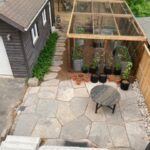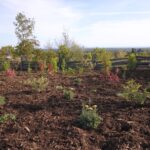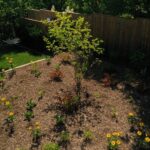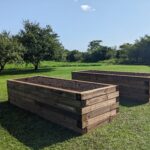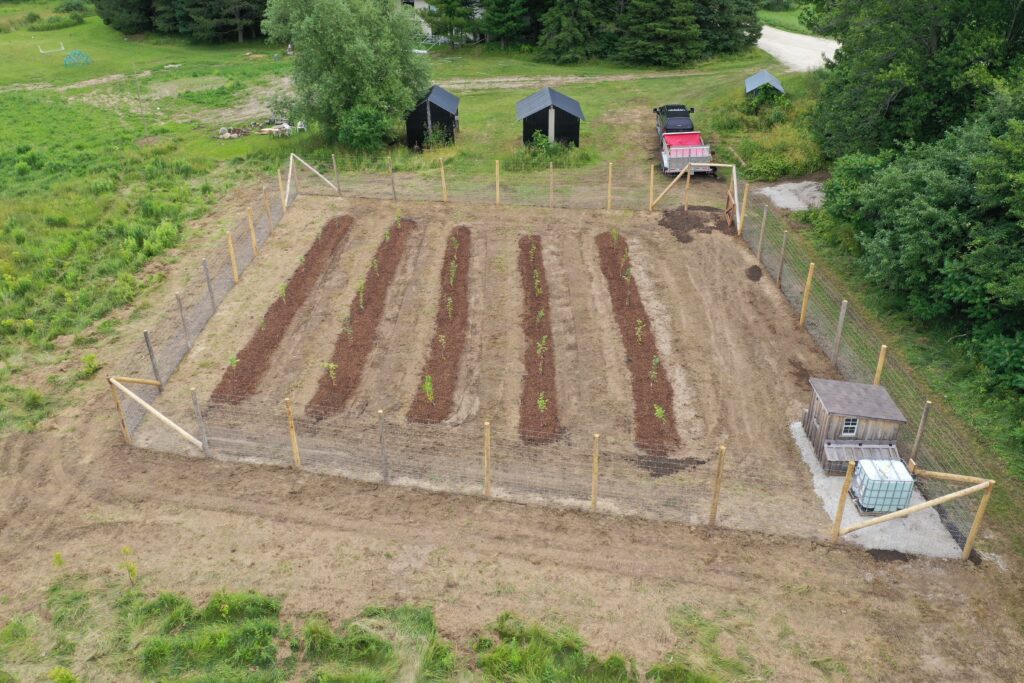
Designing your garden using permaculture design principles means creating a space that works with nature instead of against it — building a self-sustaining, productive, and resilient ecosystem.
To collaborate with nature, we should use it as our blueprint and strive to emulate its systems. Maximizing crop yield is possible by cultivating a diverse array of plants, accounting for varying heights, widths, and root needs. By simultaneously incorporating companion planting and managing groundwater, we can harness the entire natural ecosystem, ensuring it works cohesively to produce food for both us and the beneficial insect populations.
Permaculture vs. Native Garden vs. Traditional Landscaping
| Feature | Permaculture | Native Garden Design | Traditional Landscaping |
|---|---|---|---|
| Main Goal | Self-sustaining ecosystem that produces food + resources | Support local ecology using regional plants | Visual appeal and structure |
| Plant Choice | Mix of edible + useful plants (often includes natives) | Primarily native species | Often ornamental, may include non-natives |
| Maintenance | Decreases over time | Generally low | Often ongoing (mowing, pruning, fertilizing) |
| Water Use | Designed to capture & reuse water | Typically drought-adapted | Irrigation systems common |
| Biodiversity | Very high (layered systems) | High (local ecosystem support) | Can be low (lawns, monocultures) |
| Food Production | Central focus | Optional | Usually not a focus |